Luna composite 2 frames, C8 2 meter direct focus, Point Grey USB 3 video camera
 Submitted by David Britz on
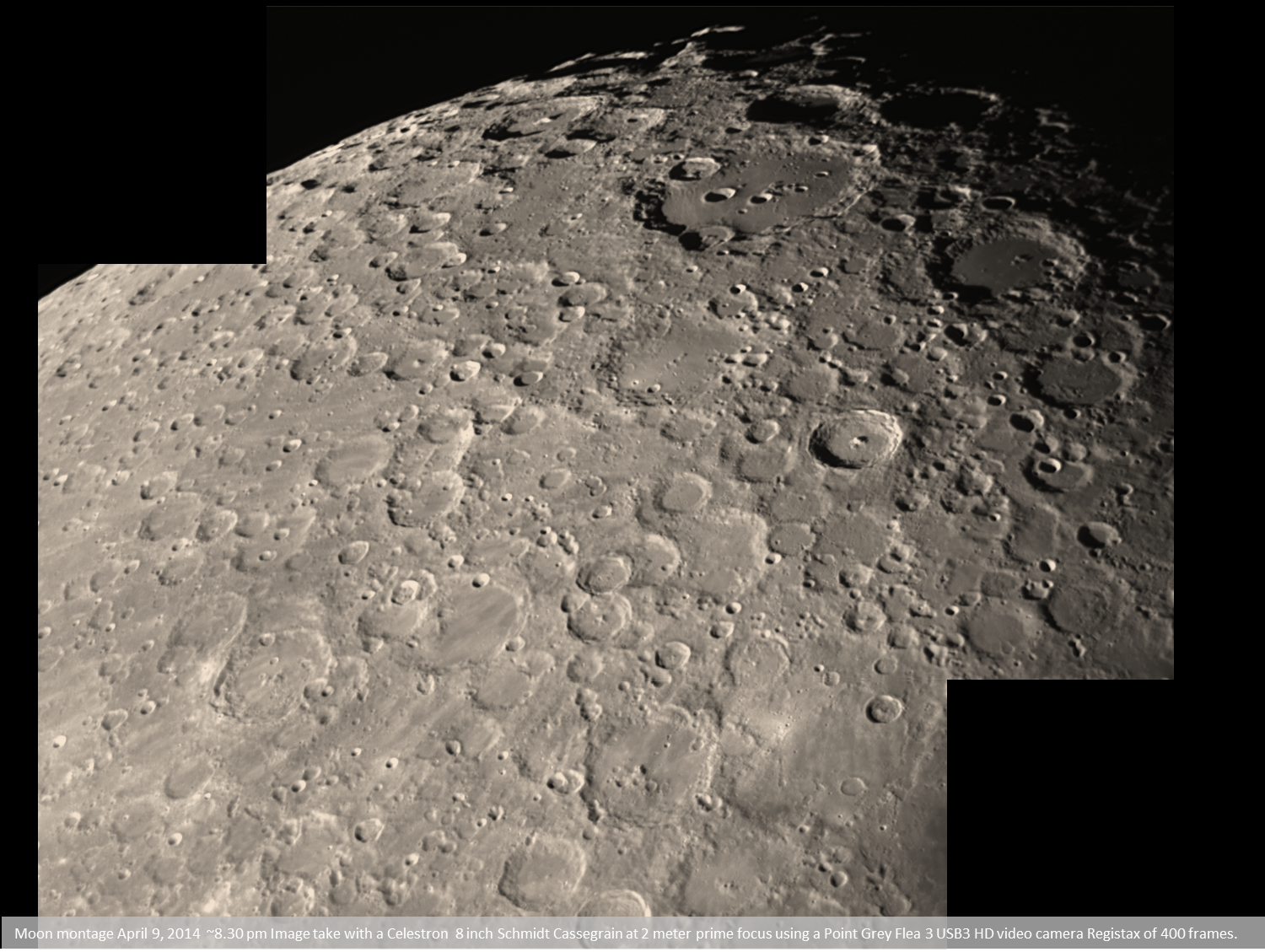
Image Type:

Submitted by David Britz on
Submitted by David Britz on
Submitted by Gavin Warnes on
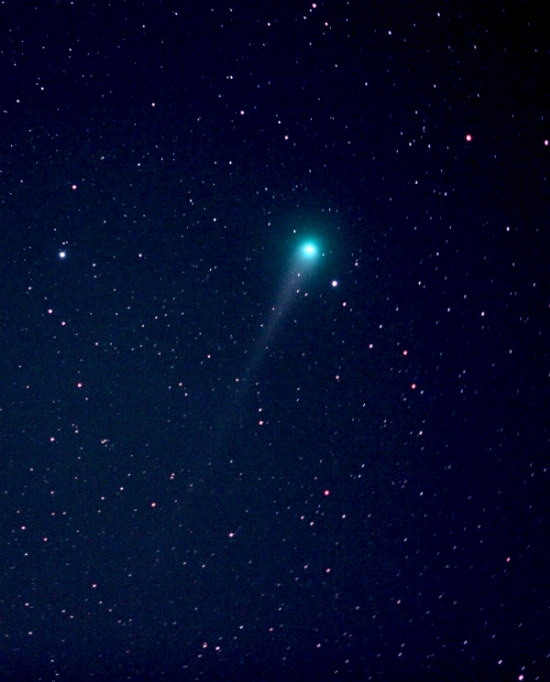
Image of Comet Lulin taken by S*T*A*R member John Ambrose in February 2009. It is a stack of 2 frames each of 1-min exp using Canon 20Da and f/2.8 200mm lens; ISO 1600.
Submitted by Gavin Warnes on
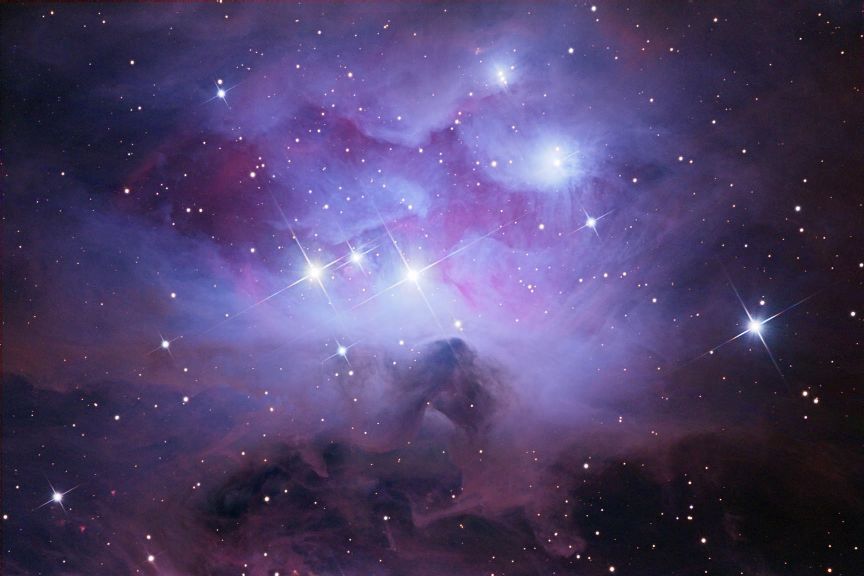
Nebula NGC 1973 "Running Man" taken by honorary S*T*A*R Member Ernie Rossi from Chiefland, Florida. Taken wih a 14.5" f/8 RC scope on an AP1200 mount, 5 hours total exposure with an SBIG STL-11K camera.
Submitted by Gavin Warnes on
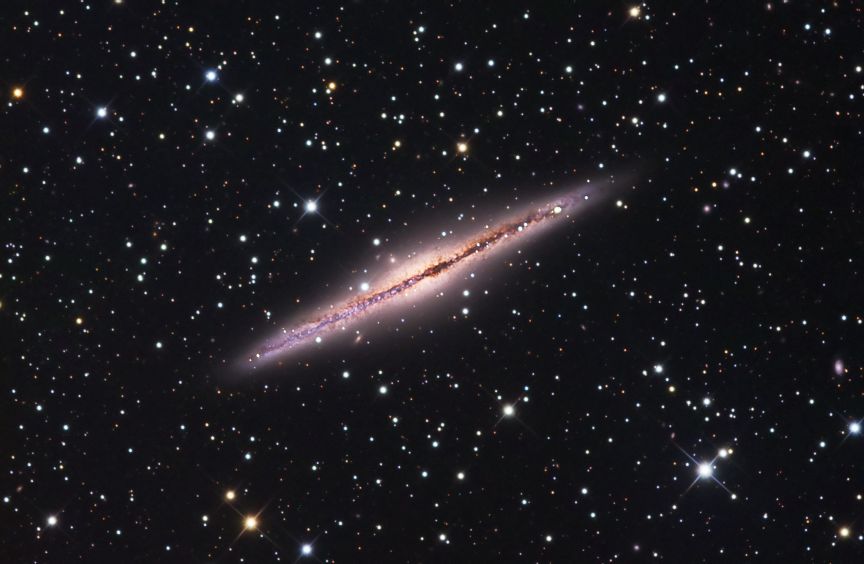
Galaxy NGC 891 taken by honorary S*T*A*R Member Ernie Rossi from Chiefland, Florida. Taken wih a 14.5" f/8 RC scope on an AP1200 mount, 6 hours total exposure with an SBIG STL-11K camera.
Submitted by Gavin Warnes on
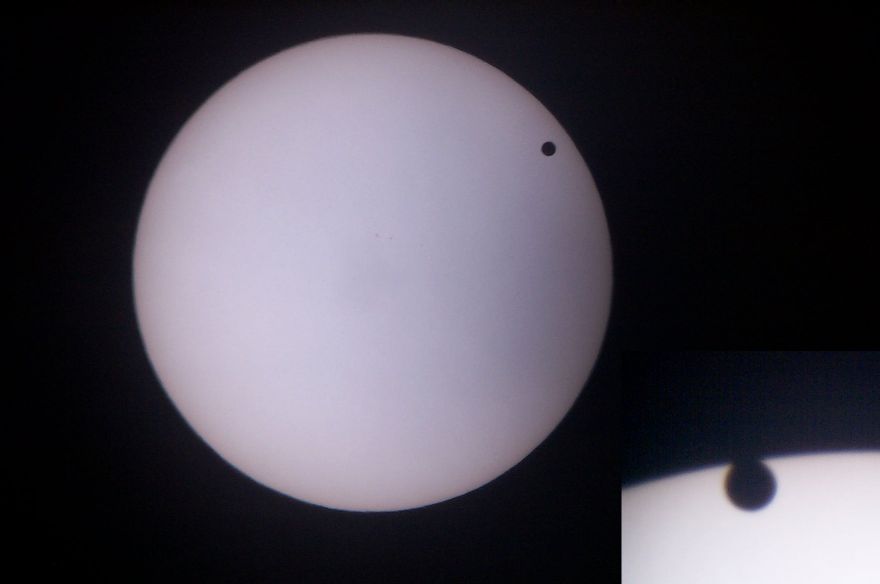
Image of the start and end (inset) of transit of Venus taken on June 8th from the UK by S*T*A*R member Gavin Warnes. This event occurs so rarely that no living human had observed it until that day The next and last transit in our lifetimes occurs on June 5-6th 2012 but you will need to travel to see it. More details can be found at here. Transits of Mercury occur more often and will be visible on May 9th 2016 and November 11th 2019.
Submitted by Gavin Warnes on
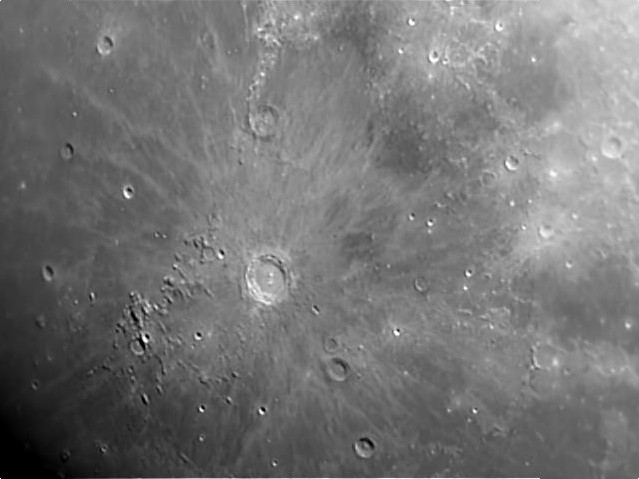
Lunar crater Copernicus taken with a Philips Toucam webcam and processed with Registax.
Submitted by Steve Fedor on
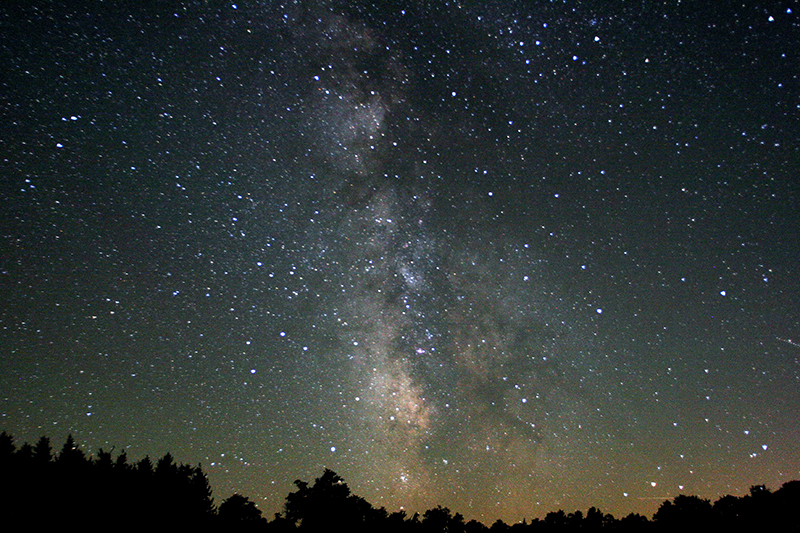
This exceptional photo was taken by former STAR member Tony Rousos.
Submitted by Steve Fedor on
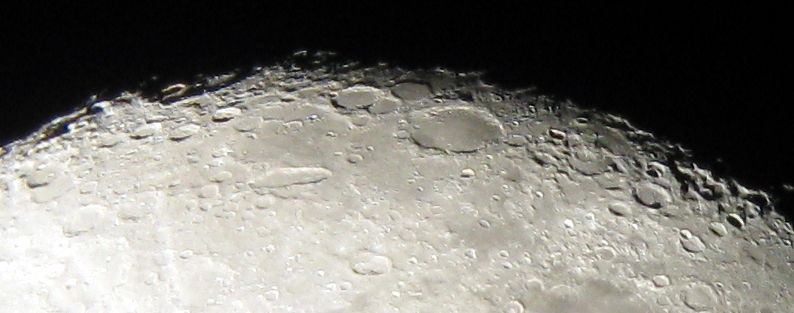
Of all my meager attempts to photograph the moon this one is my favorite. It was taken using a Cannon SD770-IS point & shoot camera with my Meade SF16 using a Meade 15mm Plossl & an Orion SteadyPix.
Submitted by Steve Fedor on
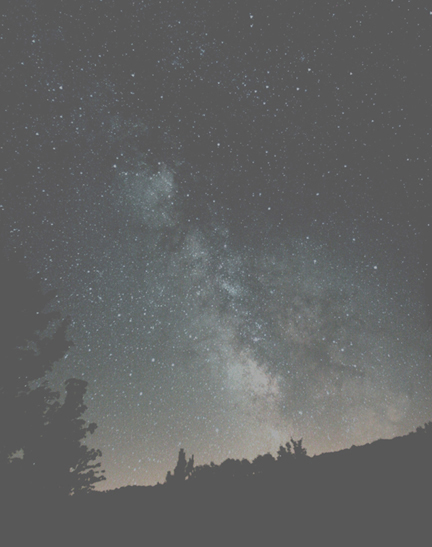
Photo by Tony Rousos